Urban Development in Milan, March 2026: ten neighborhoods that climbed the ranking in twelve months
Completed construction sites and new builds are reshaping Milan's urban transformation map as the periphery leads the comeback
Urban Development in Milan is reshaping the city's geography. Bicocca climbed twelve positions in the ranking in a single year -- more than any other neighborhood. It is not alone: nine neighborhoods, nearly all outside the Navigli ring, rose in the Urban Development rankings between March 2025 and March 2026, with gains ranging from eight to twelve positions. In a distribution where the median shift is just one position, these numbers signal active construction sites, delivered projects, and visible physical transformation.
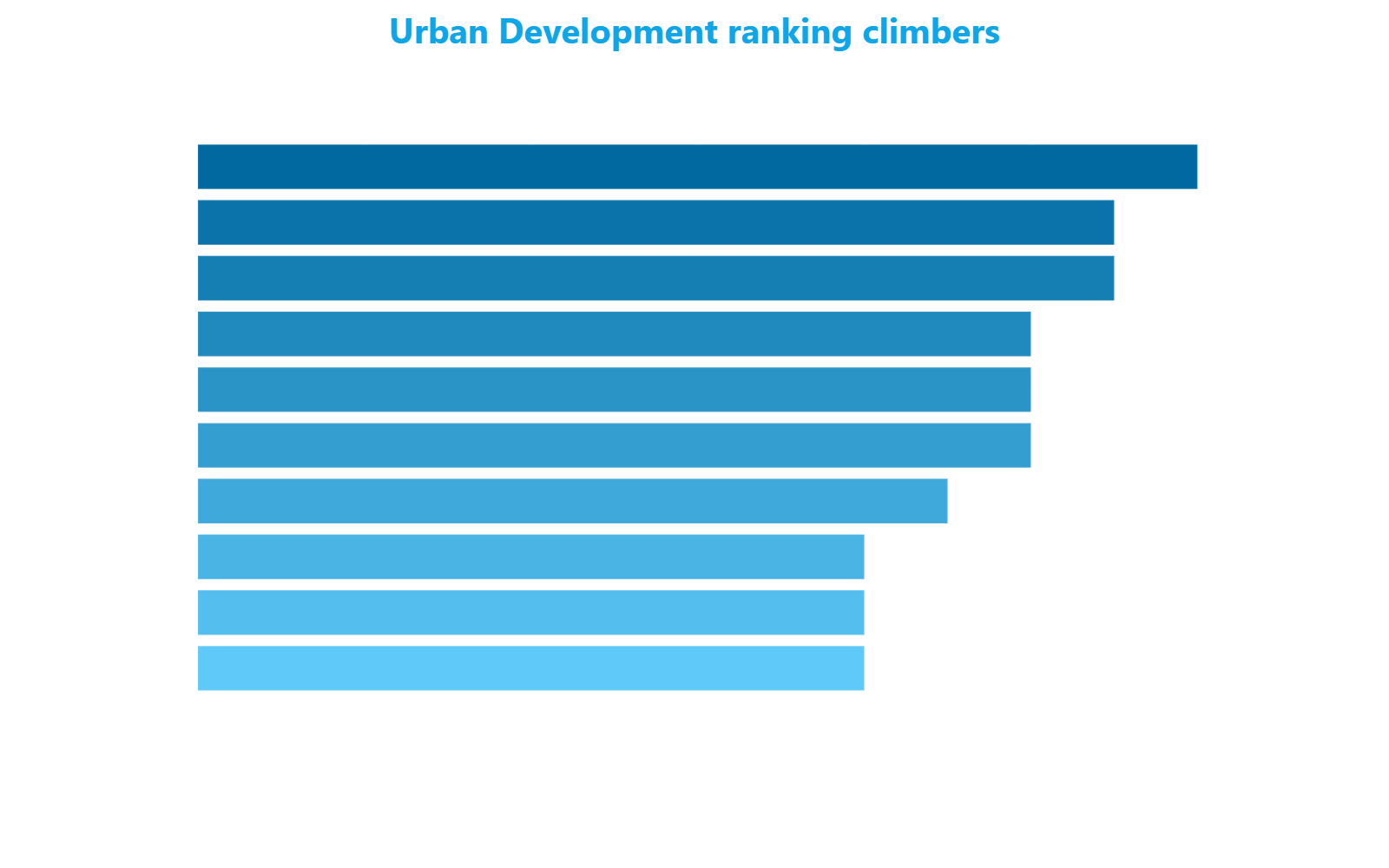
Bicocca, Bovisa, Corvetto: the three sharpest jumps
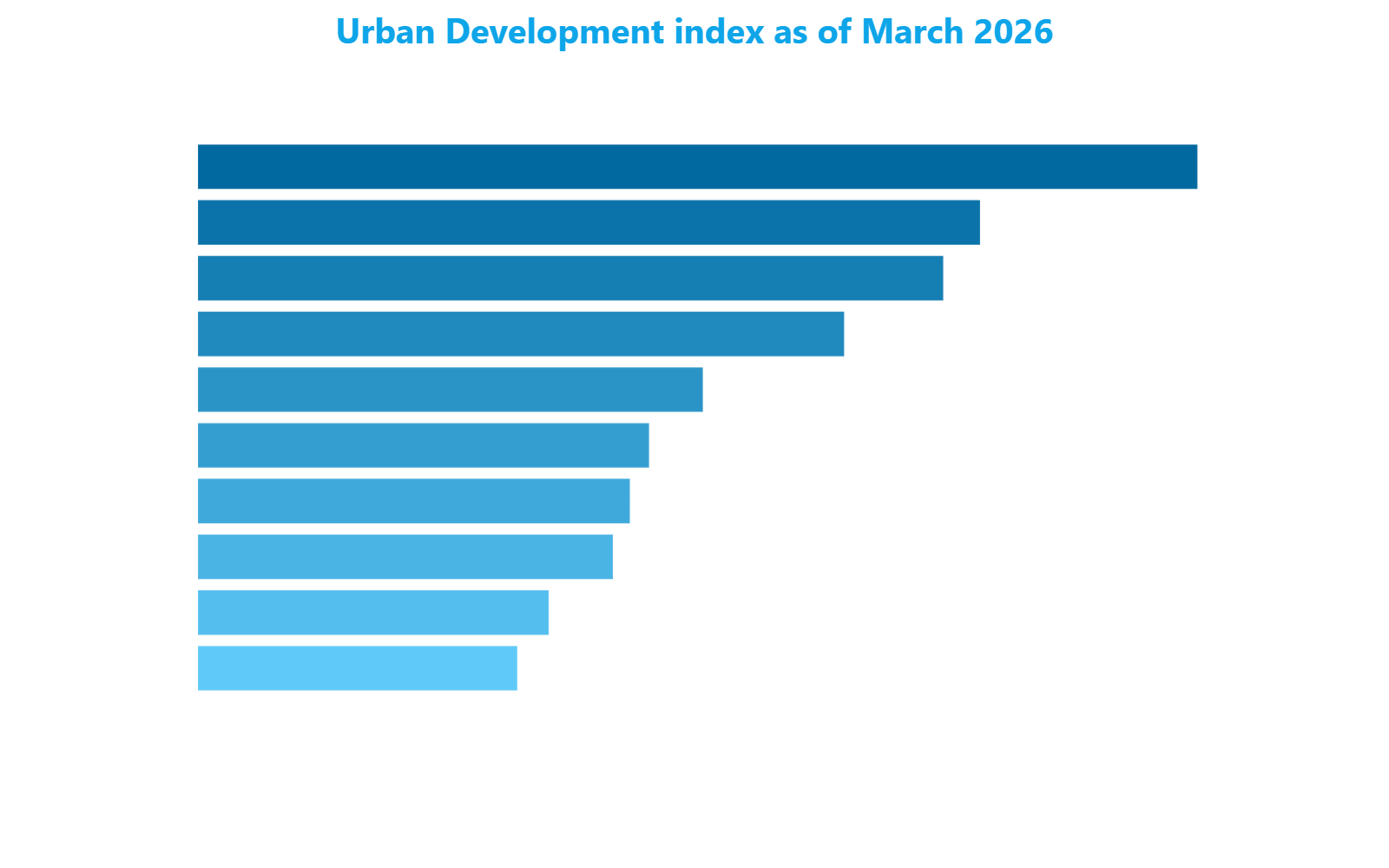
Bicocca moved from 57th to 45th place with an Urban Development index of 20.54 points -- above the city median of 13.99. The Urban Development index measures development and urban regeneration projects, combining the transformative impact of construction sites with the density of initiatives in the area. The data is calculated by cross-referencing sources specialized in urban development with proprietary surveys. In the neighborhood's vicinity, the completion of Bicocca Pavilion -- a mixed-use space delivered in spring 2025 -- stands alongside the renovation of an office building in the BiM hub (already completed) and a second BiM intervention expected by late 2026. The Edificio U10 Logos Bicocca, a complex integrating residential, student housing, and office functions, is in an advanced construction phase. The platform contains a detailed file for every urban project within the street's radius: class, size, stakeholders, progress, and timeline.
Bovisa recorded the most significant jump in absolute terms: from 26th to 16th place, with 31.77 points -- more than double the city median. The neighborhood has 7.09 active construction sites versus a Milan average of 1.94 and is undergoing a deep transformation: nearby, the MoLeCoLa - Nodo Bovisa project, an urban regeneration launched in 2025, runs in parallel with the Innovation Hub in a former gasometer at 90% completion and the Sports Factory in the same area. Three student housing complexes completed in the last two years, a new university campus under construction, and 44 apartments delivered at the Arrivabene 14 residential complex round out a picture that includes 33 projects either completed or underway.
How much did Corvetto grow in Urban Development?
Corvetto rose ten positions, from 100th to 90th. Its value remains below the median at 11.15 points, but the +1.7-point delta signals an acceleration compared to the previous trend. The area surrounding the neighborhood saw the completion in the last year of the headquarters of a major luxury group and a large-scale office building, both in the Symbiosis hub. In the same area, a renovated residential tower was delivered in early 2024 and new interventions are underway: a pedestrianization project, new parking facilities, and residential buildings designed by firms including Pininfarina Architecture.
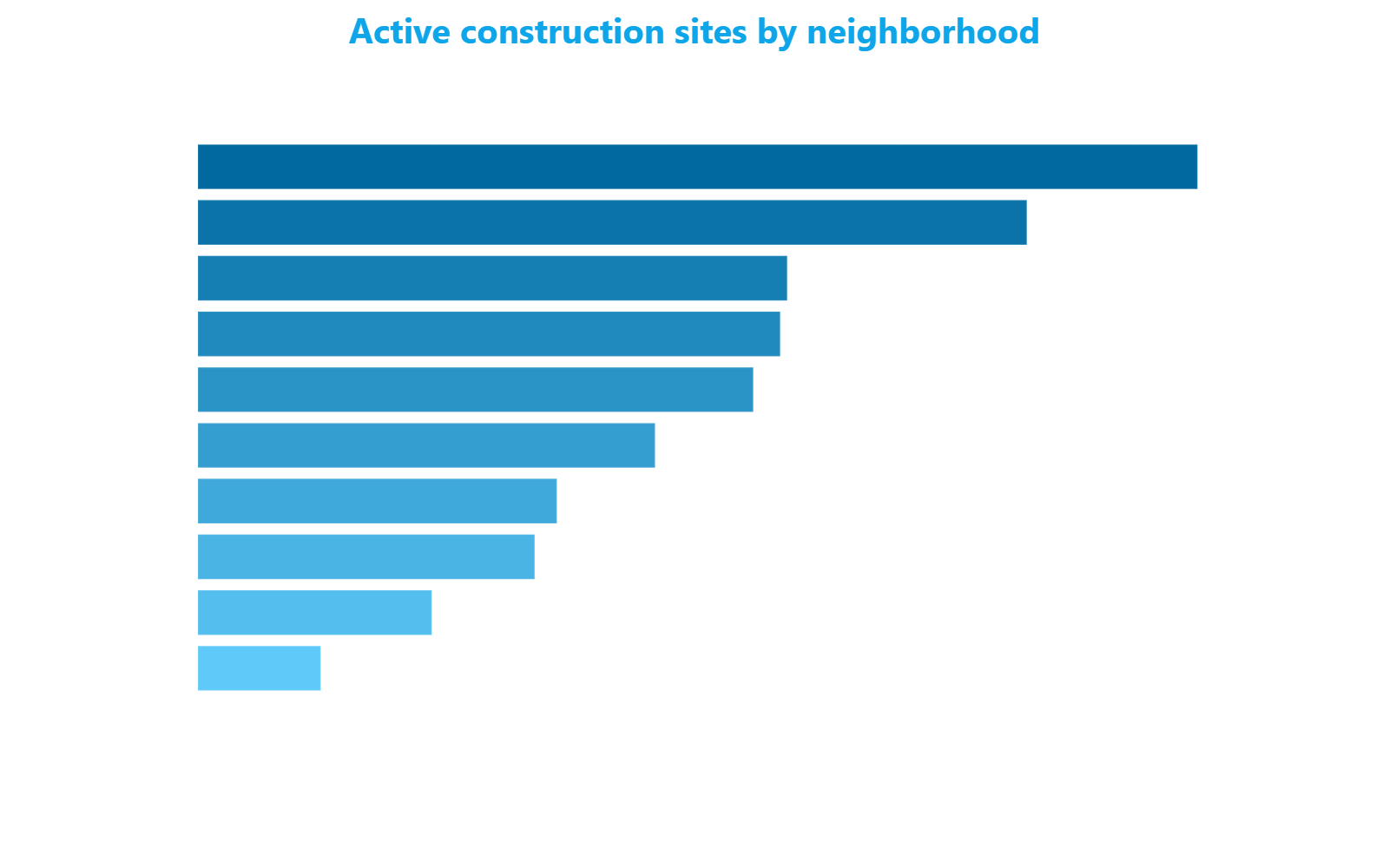
Molise-Cuoco and Quarto Oggiaro: the densest construction zones
Which neighborhood has the most active construction sites in Milan?
Molise-Cuoco, climbing eight positions, has the highest number of active construction sites in this ranking: 8.55 versus the city average of 1.94 -- more than four times as many. The reason centers on a single large-scale intervention: the ARIA project in the former Macello area, which includes social housing, a university campus, student housing, retail spaces, a medical center, an urban park, and a school. All are under construction, with estimated completions between 2027 and 2031. The Galleria Centrale Ex Macello, undergoing renovation, is expected to be delivered by 2027.
Quarto Oggiaro gained ten positions (from 45th to 35th) with 23.69 points, well above the median. In the surrounding area, the completed towers of the Treseizero complex and the renovation of Le Botti are joined by newly opened construction sites: a tall residential tower at 28% completion, Residenze Co-living Certosa at 66%, and the Bosco Spontaneo della Goccia, a metropolitan park undergoing regeneration. A cultural project -- Superstudio Villapizzone, 8,000 sqm of exhibition space with a budget of 13 million euros -- was completed in autumn 2025.
The northeast corridor and a central anomaly
Villa San Giovanni (+11), Precotto (+8), and Greco-Segnano (+8) form a contiguous corridor in the city's northeast. The pattern is similar: new low-rise residential towers and apartment buildings under construction or recently completed -- such as Empedocle 10 (52 apartments) and Torre Soffredini 75 in Villa San Giovanni, or Talea (35 apartments, completed in late 2024) in Precotto -- alongside the renovation of the Greco-Pirelli station, which serves both Precotto and Bicocca. Quinto Romano, at the opposite end of the city, climbed eleven positions thanks to the advanced-stage renovation of three residential towers in the Via Tofano area, all nearing completion.
Why did Arena rise in the Urban Development ranking?
Arena is the only geographic anomaly: +9 positions for a neighborhood in the historic city center, from 78th to 69th. With only two projects nearby -- a residential tower under construction and a renovated 7,000-sqm office building -- the jump confirms that in a distribution where most neighborhoods have few construction sites, even targeted interventions can shift the ranking.
Methodology: ranking variation across 144 neighborhoods between March 2025 and March 2026 (12 months). Metric analyzed: Urban Development, an index that combines the transformative impact of construction sites with the density of initiatives in the area, based on sources specialized in urban development and proprietary surveys. The ranking measures relative position: a rise indicates improvement compared to other neighborhoods. Neighborhood values are the average of the streets within them. Data from public and proprietary sources, covering 4,006 streets, 105 metrics, and monthly history since January 2020.
Frequently Asked Questions
Which Milan neighborhoods grew the most in Urban Development over the past year?
The ten neighborhoods with the largest ranking gains between March 2025 and March 2026 are Bicocca (+12 positions), Villa San Giovanni (+11), Quinto Romano (+11), Bovisa (+10), Corvetto (+10), Quarto Oggiaro (+10), Arena (+9), Molise-Cuoco (+8), Precotto (+8), and Greco-Segnano (+8). Nearly all are located outside the Navigli ring, confirming that the periphery is driving urban transformation.
How many active construction sites does Bovisa have compared to the Milan average?
Bovisa has 7.09 active construction sites versus a city average of 1.94 -- roughly 3.6 times the mean. The neighborhood reached 31.77 points on the Urban Development index, more than double the median of 13.99, and counts 33 projects either completed or underway, including urban regenerations, student housing, and residential complexes.
What is the ARIA project in Milan's former Macello area?
The ARIA project is a large-scale regeneration in the former Macello area, in the Molise-Cuoco neighborhood. It includes social housing, a university campus, student housing, retail spaces, a medical center, an urban park, and a school. Completions are estimated between 2027 and 2031, and the Galleria Centrale Ex Macello is expected to be delivered by 2027.
How is the Urban Development index for neighborhoods calculated?
The Urban Development index combines the transformative impact of construction sites with the density of initiatives in the area, based on sources specialized in urban development and proprietary surveys. The ranking covers 144 neighborhoods, with data on 4,006 streets and monthly history since January 2020. Neighborhood values are the average of the streets within them.
Why is Milan's periphery growing faster than the center in Urban Development?
Nine of the ten fastest-climbing neighborhoods lie outside the Navigli ring. The periphery has disused areas and spaces ripe for regeneration -- such as the former Macello in Molise-Cuoco or the former gasometer in Bovisa -- that allow large-scale interventions. In the center, where the urban fabric is denser, even a few targeted projects can shift the ranking, as Arena's case with just two interventions demonstrates.